SAIVS
  • HOME
  • ABOUT US
    • Honor
    • Manufacturing Capacity
    • Privacy Policy
    • Terms of Service
    • FAQ
  • PRODUCTS
    • Hydraulic Pumps
      • Rexroth
        • A2F Series
        • A4 F/V Series
        • A7VO Series
        • A8VO Series
        • A10V Series
        • A11V Series
        • PG Series
        • AZ Series
        • PV Series
      • Parker
        • PV-plus Series
        • P1 PD Series
        • PAVC Series
        • VP1 Series
        • PG Series
        • P2 P3 Series
      • Sauer-Danfoss
        • 45 Series
        • 90 Series
      • Eaton Vickers
        • PVM Series
        • PVH Series
        • PVQ Series
        • PVE Series
        • VMQ Series
      • Nachi
        • PVD Series
        • PVK Series
        • PVS Series
        • PZS Series
        • PZ Series
      • Hawe
        • V30 Series
        • V60N Series
      • Kawasaki
        • K3V Series
        • K5V Series
      • Sumitomo
        • QT Series
      • Linde
        • MPR Series
        • HPV-02 Series
        • HPR-02 Series
      • Vane Pumps
      • Gear Pumps
    • Hydraulic Motors
      • SAI GM Series Motor
      • Intermot Piston Motor
      • Hydraulic Cycloidal Motors
      • Rexroth Hydraulic Motor
      • Poclain Hydraulic Motor
    • Hydraulic Valves
      • Pressure Relay
      • Pressure Valve
      • Threaded Cartridge Valve
      • Flow Valve
      • Anti-explosion Valve
      • Proportional servo valve
      • Direction Valve
      • Directional Control Valves
    • Planetary Gearboxes
      • Rexroth
      • Bonfiglioli
      • Brevini
      • Dinamicoil
      • O&K
    • Hydraulic Cylinder
      • Aerial Work Platforms
      • Agricultural Equipment
      • Construction Equipment
      • Manufacturing Equipment
      • Marine
      • Material Handling
      • Mining
      • Road Service
      • Waste/Recycling
      • Cylinder Parts
    • Hydraulic Power Units
      • Scissor High Altitude Platform
      • Pallet Car
      • The Wing Car
      • Lift Platform
      • Automobile Tail Plate
      • Special Vehicle
    • Hydraulic Pump Parts
      • Parker Series
      • Komatsu Excavator Series
      • Hitachi Series
      • Rexroth Series
      • Sauer Danfoss Series
      • Uchida Series
      • Messori Series
      • Kayaba Series
      • Toshiba Series
      • Nachi Series
      • Eaton Vickers Series
      • Linde Series
      • Caterpillar Series
      • Kawasaki Series
      • Kobelco/Kato Series
      • Hawe Series
      • Sumitomo Series
    • Hydraulic Tools
      • Flange Tools
      • Hydraulic Lifting tools
        • Hydraulic pump
        • Hydraulic Cylinder/Jack
        • Hydraulic Professional Tools
      • Bolting Tools
        • Hydraulic Tensioners
        • Hydraulic Torque Wrench Pumps
        • Torque wrenches
      • Hydraulic Components
      • Electric Power Tools
    • Hydraulic System
    • Hydraulic Manifolds
    • Hydraulic Winch
    • Electro Hydraulic Actuators
  • APPLICATIONS
    • MOBILE
    • AGRICULTURE
    • INDUSTRIAL
    • ENERGY
    • FOOD & BEVERAGE
    • OIL & GAS
  • DOWNLOAD
    • Best PDF
  • CONTACT US
  • BLOG
HOME > BLOG

Hydraulic Check Valve Usage Precautions

Author:SAIVS Time:2024-08-26 Click:

As a crucial control component in Hydraulic Systems, properly using hydraulic check valves is vital for ensuring stable system operation. Below are detailed usage precautions, explained with practical application scenarios:

Control Pressure Assurance

Avoid Pressure Loss: Control pressure is a prerequisite for the normal operation of a hydraulic check valve. If pressure is lost, the valve may fail to open or close properly, impacting the system's functionality.

Analyze Main System Impact: When control pressure is derived from the main system, it's important to analyze how fluctuations in the main system's pressure could affect the control circuit's pressure to prevent unintended actions of the hydraulic check valve due to pressure variations.

Meet Opening Requirements: Control pressure should meet the minimum pressure required for the valve to open in the reverse direction.

Selection of Structure and Oil Drain Method

Choose Based on Back Pressure: Select the valve structure and oil drain method based on the valve's position in the system and the back pressure in the reverse flow chamber.

Internal Drain Type: Suitable for scenarios with no back pressure or low back pressure in the reverse flow chamber. If the back pressure is too high, the hydraulic control component will lose its control function.

External Drain Type: Suitable for situations with high back pressure in the reverse flow chamber, which can reduce the minimum control pressure.

Proper Handling of Drain Ports: The external drain port of an externally drained hydraulic check valve should be connected separately to the oil tank to avoid affecting system pressure.

Matching with Hydraulic Cylinders

Ensure Proper Area Ratio: The effective area ratio between the rod and piston sides of the hydraulic cylinder should not be too large; otherwise, the hydraulic check valve may fail to open, causing the hydraulic cylinder to overload.

Avoid Pressure Increase: If the area ratio between the upper and lower chambers of the hydraulic cylinder is too large, it could generate excessively high pressure in the lower chamber, leading to accidents.
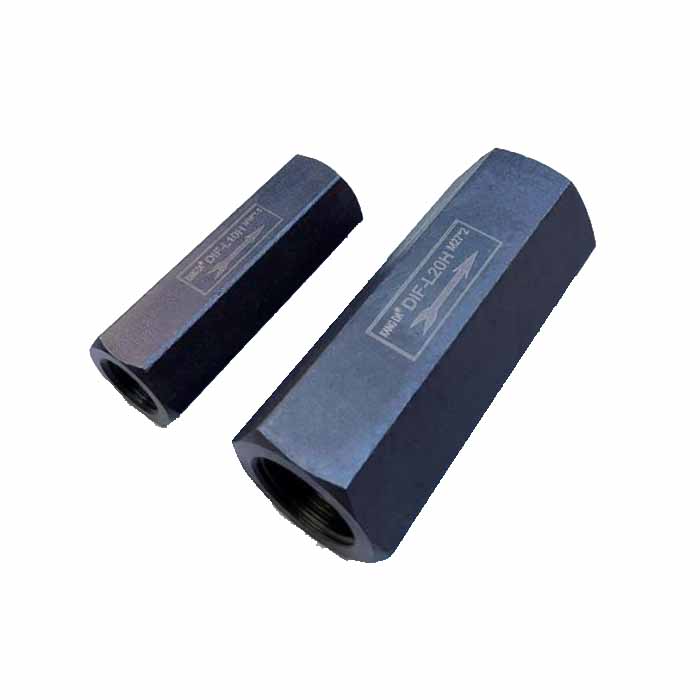
S10A Rexroth type hydraulic check valve

Hydraulic System Configuration

Directional Valve Selection: The directional valve used in conjunction with the hydraulic check valve should be chosen with Y-type or H-type mid-position functions to ensure the hydraulic check valve closes quickly.

Prevent Crawling and Vibration: In balanced circuits, a check throttle valve should be connected in series before the hydraulic check valve to prevent piston crawling and vibration.

Common Faults and Troubleshooting Methods

Fault Phenomenon: When the hydraulic check valve is in reverse cut-off (i.e. when the control port is not in operation), the spool cannot completely seal the flow, causing leakage.

Fault Cause: Poor contact between the spool and seat, excessive misalignment between the valve body hole and spool, or skewed seating due to improper press-fitting of the valve seat into the valve body hole.

Troubleshooting Method: Re-grind and fit the spool and seat or disassemble and realign until there is a tight fit between the spool and seat.

Fault Phenomenon: The compound hydraulic check valve cannot unload in reverse.

Fault Cause: Excessive misalignment between the valve body hole and the control piston hole, or a bent control piston end, causing the piston rod to fail to push the unloading spool and preventing the spool from opening.

Troubleshooting Method: Repair or replace the faulty components.

Fault Phenomenon: The hydraulic check valve cannot return to its initial oil-sealing position when closed.

Fault Cause: Low machining precision of the valve body hole and spool, improper clearance fit, weak spring force, or insufficient smoothness of the separating surface, leading to spool jamming.

Troubleshooting Method: Repair or replace the faulty components.

Conclusion

The precautions for using hydraulic check valves are quite detailed, but mastering this knowledge is crucial for ensuring the safe and reliable operation of hydraulic systems. When selecting and using hydraulic check valves, it is essential to consider the system's working conditions, the properties of the hydraulic oil, and the performance parameters of the valves to achieve the best application results.
Tag: hydraulic check valve hydraulic valve

Random Recommend

  • The Future of Fluid Power: Are Hydraulic Vane Pumps Still Relevant
  • How To Maintain Hydraulic Torque Wrenches
  • Common Hydraulic Gear Pump Accessories Faults and Solutions for Improved Performance
  • Winch Maintenance Guide: Ensuring Longevity and Performance
  • Best Torque Wrenches for Industrial Jobs
  • Shipping Log No.2 Piston Pump Spare Parts Our Valued Poland Customers
  • Talking about the function of hydraulic control valve in the system!
  • Hydraulic Tensioning vs Torquing with SAIVS Tools
  • Enhancing Hydraulic System Efficiency with the PVG Proportional Valve
  • How to calculate hydraulic cylinder force

Related Products

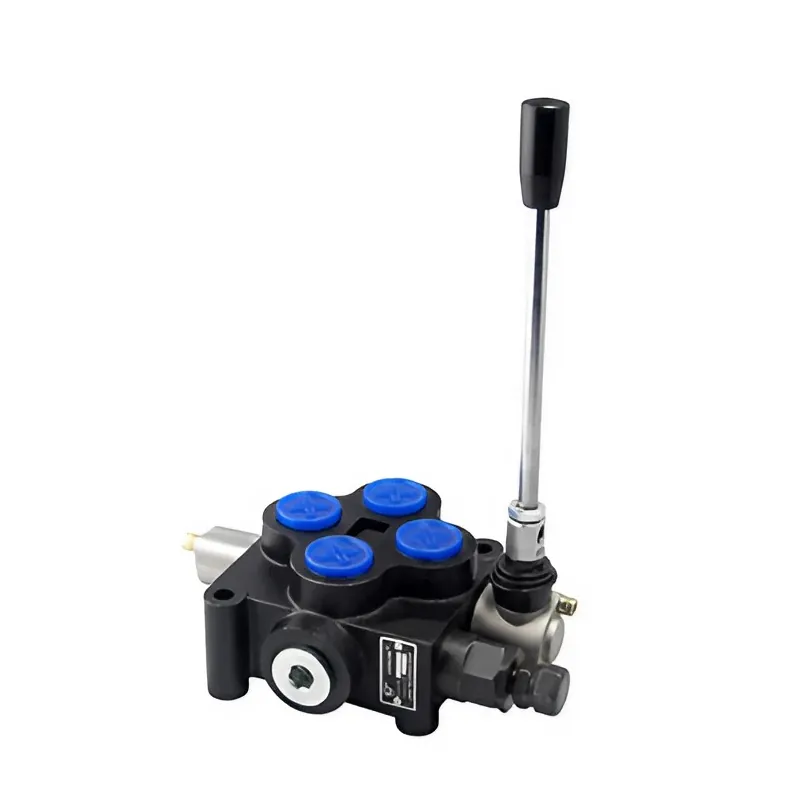
SSM081 Monoblock valve for low flow applications

SSM081 Monoblock valve for low flow applications

1-500 Nm Plug-In Torque Wrench,ACD-1 Series

1-500 Nm Plug-In Torque Wrench,ACD-1 Series

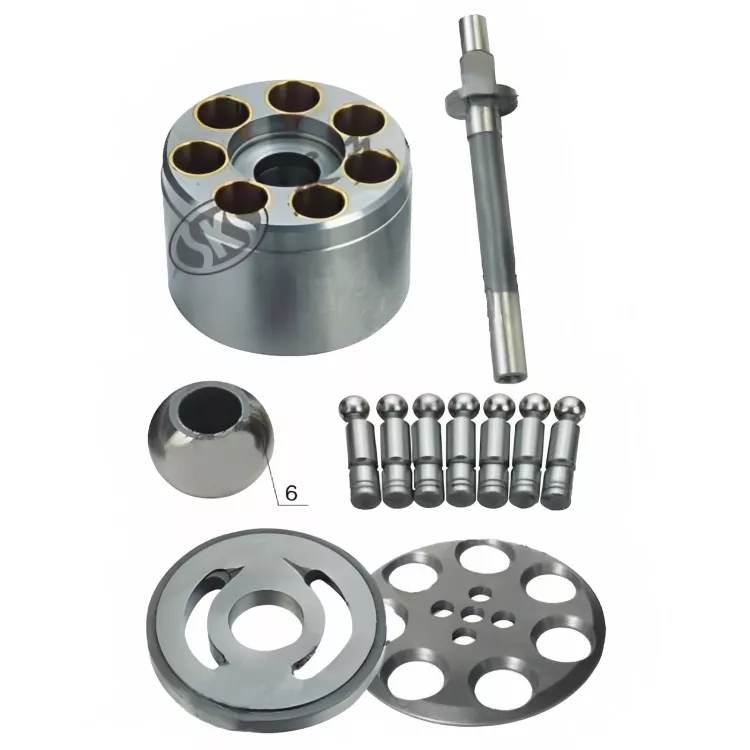
B2PV35/50/75/105/B2PV140 LINDE hydraulic spare parts

B2PV35/50/75/105/B2PV140 LINDE hydraulic spare parts

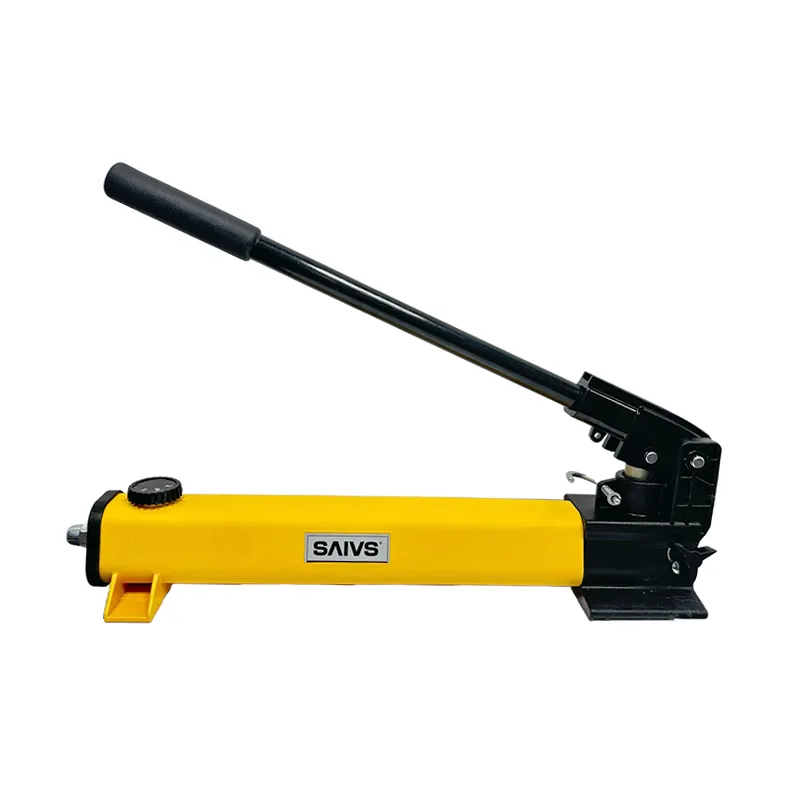
P142, Two Speed, Lightweight Hydraulic Hand Pump

P142, Two Speed, Lightweight Hydraulic Hand Pump

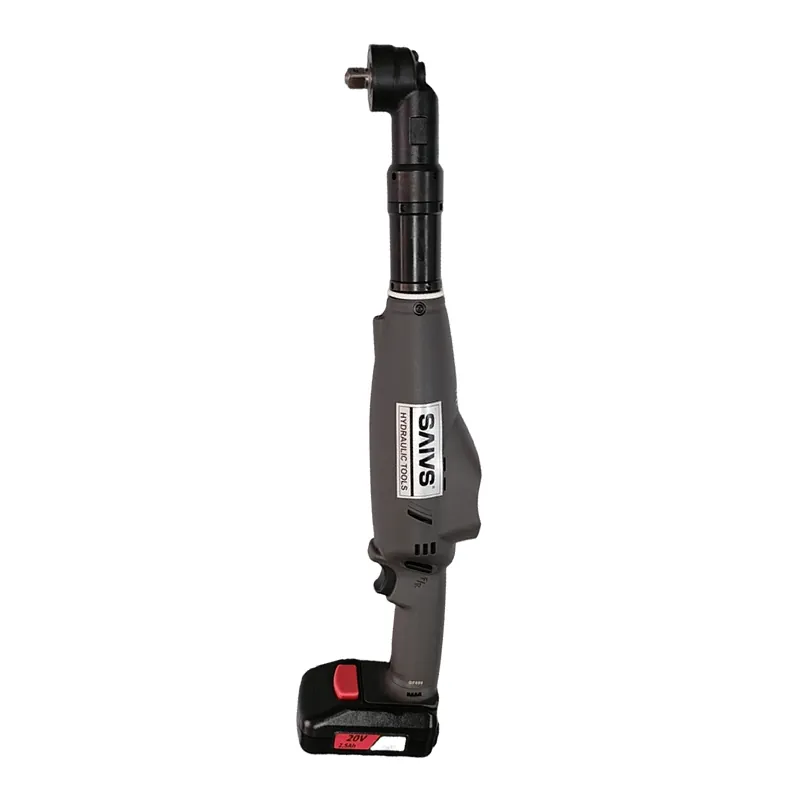
SCW Series Battery Torque Wrench Right Angle Cordless

SCW Series Battery Torque Wrench Right Angle Cordless

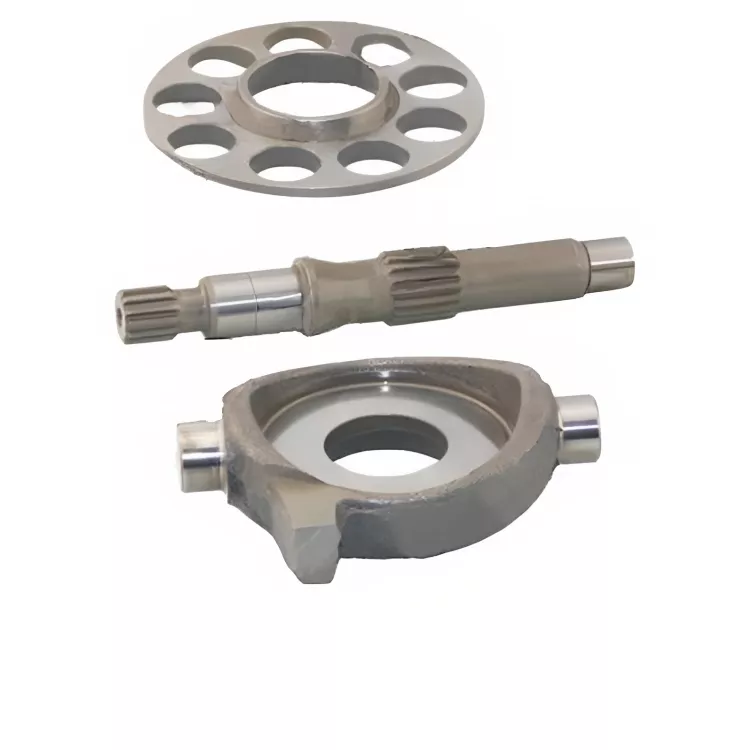
PVQ40/50 EATON-VICKERS Hydraulic Replacement Spare Parts

PVQ40/50 EATON-VICKERS Hydraulic Replacement Spare Parts

ZT-L20,31 MPa,Hydraulic Directional Control Valves

ZT-L20,31 MPa,Hydraulic Directional Control Valves

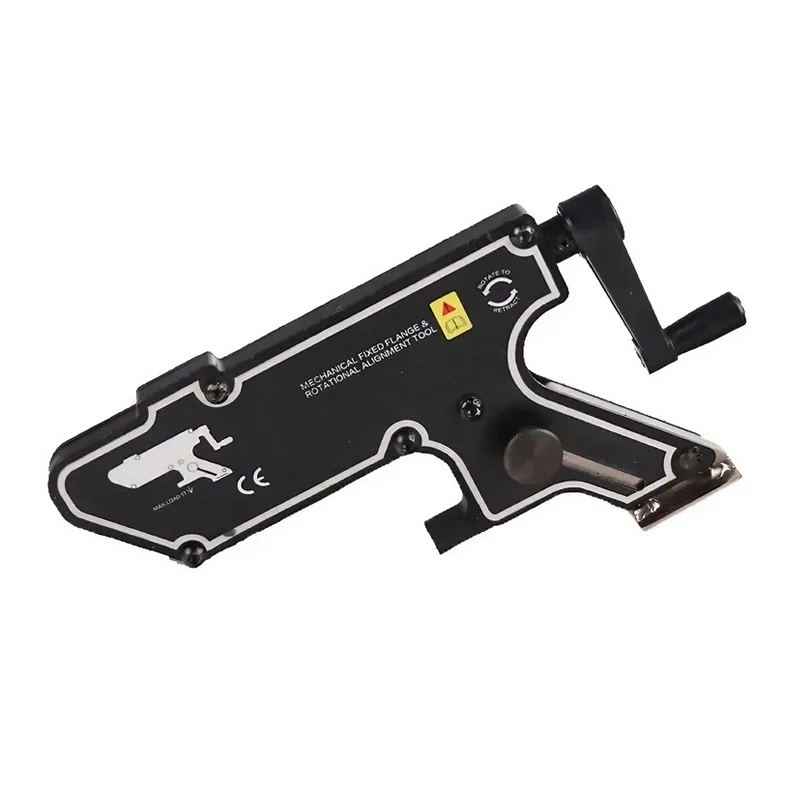
FA1TMSTD, 1 Ton 16 mm, Mechanical Flange Alignment Tool

FA1TMSTD, 1 Ton 16 mm, Mechanical Flange Alignment Tool

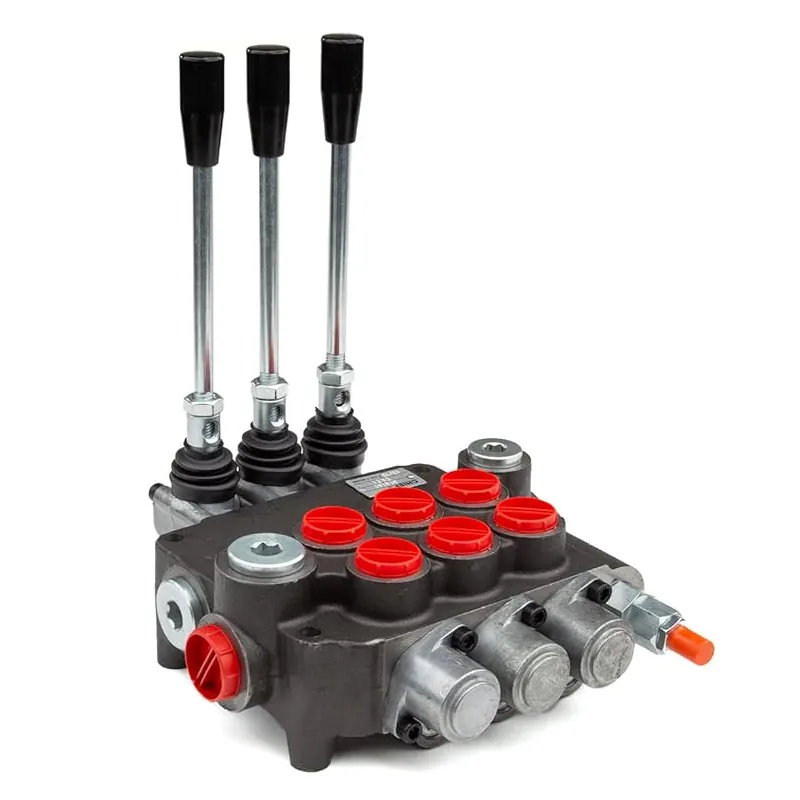
P80,1 Spool,21.1 GPM,Hydraulic Directional Control Valves

P80,1 Spool,21.1 GPM,Hydraulic Directional Control Valves

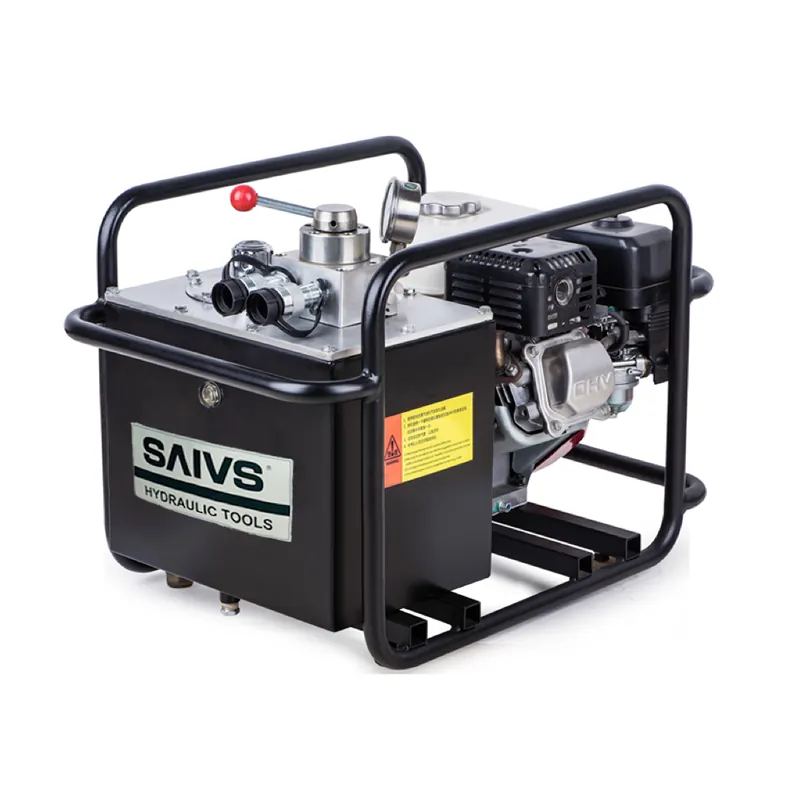
PGM,Gasoline Engine Hydraulic Pump

PGM,Gasoline Engine Hydraulic Pump

  • ABOUT US

    • Honor
    • Manufacturing Capacity
    • Privacy Policy
    • Terms of Service
    • FAQ
  • PRODUCTS

    • Hydraulic Pumps
    • Hydraulic Motors
    • Hydraulic Valves
    • Planetary Gearboxes
    • Hydraulic Cylinder
    • Hydraulic Power Units
    • Hydraulic Pump Parts
    • Hydraulic Tools
    • Hydraulic System
    • Hydraulic Manifolds
    • Hydraulic Winch
    • Electro Hydraulic Actuators
  • APPLICATIONS

    • MOBILE
    • AGRICULTURE
    • INDUSTRIAL
    • ENERGY
    • FOOD & BEVERAGE
    • OIL & GAS
  • CONTACT US

    NO. 626 Yuncai Road,

    Yunlong Town, Yinzhou,

    Ningbo, Zhejiang, China.

    +86-574-88188161
    +8613905748980

    Monday - Friday:

    8:30 AM to 5:30 PM

    seo1@saivs.com

    Saivs industrial twitter youtube linkedin pinterest
Copyright © 2012-2026 Ningbo Saivs Machinery Co.,ltd. 
TAGS  SiteMap